Team Wishtrailz
Expert travel writers and destination specialists at WishTrail.
There's something about Japan that keeps people coming back. Maybe it's the perfect blend of centuries-old traditions and futuristic cities. Maybe it's the incredible food, the breathtaking temples, or simply the kindness of the people. Whatever the reason, one thing is certain—Japan is unlike anywhere else in the world.
If you're planning your first trip, it's completely normal to feel a little overwhelmed. What is Japanese culture like, and how do you navigate the Japan transportation system? The language, culture, and etiquette can seem very different at first. But don't worry. With these Japan travel tips for first time visitors, traveling in Japan is surprisingly easy and incredibly rewarding.
Here are a few things that will help you make the most of your first visit.
Respect the Local Culture
One of the first things you'll notice in Japan is how respectful and considerate everyone is. People speak softly on trains, patiently wait in queues, and rarely litter. Understanding Japan cultural differences is key to a smooth trip.
As a visitor, you don't need to know every cultural rule, but following a few Japan travel basics can make a big difference. Remove your shoes when entering traditional homes, temples, or some restaurants if requested. Keep your phone on silent while using public transport, and always dispose of your trash responsibly. Small gestures like saying Arigato (thank you) or Sumimasen (excuse me) are always appreciated.

Navigating the Japan Public Transportation and Japan Train System
At first glance, Japan's railway map can look intimidating, but it's actually one of the easiest transport systems to use. The Japan train system is famous for being clean, safe, punctual, and well-connected, making it simple to travel between cities like Tokyo, Kyoto, Osaka, and Hiroshima.
If your itinerary includes multiple cities, check whether a Japan Rail Pass suits your travel plans. For some travellers, it can save both time and money, while others may find individual tickets more economical depending on their route.
Be Mindful of Japan's Oversized Luggage Rules
If you're planning to travel across Japan by bullet train, there's one travel tip many first-time visitors don't know about—Japan has rules for oversized luggage.
Most standard suitcases fit perfectly on trains, but if your bag's total dimensions (length + width + height) exceed 160 cm, you'll need to reserve a seat with a dedicated oversized baggage area on certain Shinkansen routes. The good news is that this reservation doesn't usually cost extra—you simply need to book the correct seat when purchasing your train ticket. If you board with oversized luggage without a reservation, you may be charged a ¥1,000 baggage fee (approximately ₹550–₹600) and directed to store your suitcase in a designated area. Bags larger than 250 cm in total dimensions aren't allowed on these trains at all.
If you don't want to worry about carrying a large suitcase from one city to another, there's an easier option. Japan's famous luggage forwarding service, known as Takkyubin, allows you to send your bags directly to your next hotel or even the airport. Many hotels and convenience stores can arrange this service, making it possible to travel with just a small backpack while your luggage arrives safely at your destination.
For many travelers, this simple service becomes one of the best travel hacks in Japan—it saves time, avoids crowded train stations, and makes exploring cities much more comfortable.
Experience Japan Street Food
No trip is complete without diving into the world of Japan street food. While Japan is known for its high-end dining, the most authentic flavours are often found at local markets and festivals. From takoyaki (octopus balls) in Osaka to yakitori (grilled chicken skewers) in Tokyo's narrow alleys, the variety is endless. Visiting these stalls is a great way to experience the local lifestyle while sticking to a budget.
Vegetarian and Vegan Food Is Easy to Find
If you're vegetarian or vegan, there's no need to worry—Japan has plenty of delicious options, especially in cities like Tokyo, Kyoto, and Osaka. While many traditional dishes use dashi (fish-based broth), vegetarian and vegan restaurants are becoming increasingly common.
Some dishes worth trying include vegetable sushi, Shojin Ryori (traditional Buddhist cuisine), vegetable tempura, tofu dishes, Japanese vegetable curry, and onigiri with fillings like pickled plum or kelp.
A helpful tip is to download apps like HappyCow or search for vegan restaurants on Google Maps. If you're a strict vegetarian or vegan, carrying a translation card explaining that you don't eat meat, fish, or fish broth can make ordering food much easier.

Always Carry Some Cash
Although Japan has been accepting more of digital payments in recent years, cash is still widely used in many places. Small restaurants, temples, local markets, and family-run shops may not always accept cards.
It's a good idea to carry some Japanese Yen with you. If you are wondering, "How much money should I bring to Japan?", it depends on your shopping habits, but having at least 10,000 to 20,000 Yen in cash for small purchases is wise. If you need to withdraw more, ATMs at Japan convenience stores such as 7-Eleven, Lawson, and FamilyMart usually accept international debit and credit cards.
Don't Underestimate Japan Convenience Stores
Japan convenience stores are on a completely different level. Known locally as konbini, they are far more than just places to grab a quick snack.
Whether you need a freshly prepared meal, coffee, desserts, travel essentials, toiletries, or even an ATM, these stores have you covered. Many travellers end up visiting a convenience store at least once every day during their trip.
Comfortable Shoes Are a Must
If there's one thing almost every traveller says after visiting Japan, it's this—"you'll walk much more than you expect". Whether you're exploring Tokyo's lively streets, wandering through Kyoto's historic districts, or visiting castles and shrines, comfortable walking shoes will make your trip much more enjoyable.
Choose the Right Season
Japan is beautiful throughout the year, but every season offers a completely different experience.

Spring (March to May) is famous for its cherry blossoms and pleasant weather. Summer (June to August) brings colourful festivals, fireworks, and the chance to climb Mount Fuji.

Autumn (September to November) is loved for its cool temperatures and spectacular red and golden leaves, while winter (December to February) is perfect for skiing, snow festivals, and relaxing in traditional hot springs. The best time to visit simply depends on what you want to experience.

Stay Connected
Having internet access in Japan makes traveling much easier. Navigation apps, train schedules, translation tools, restaurant reviews, and digital payments all become incredibly useful. Most visitors either purchase an E-SIM before arriving or rent a pocket Wi-Fi device at the airport. Both options offer reliable internet throughout your journey.
Travel Logistics: Visas and Insurance
Before you fly, you must address two essential questions: Do I need a visa to visit Japan? and Do I need travel insurance for Japan?. Visa requirements vary by nationality, so checking the latest official government guidelines is vital. Additionally, while Japan is very safe, having travel insurance is highly recommended to cover any unexpected medical issues or travel disruptions during your stay.
FAQ Section
Is Japan a good destination for first-time international travellers?
Absolutely. Japan is often considered one of the best countries for first-timers. It's clean, safe, well-organized, and has an excellent Japan public transportation system. While the culture may feel different at first, you'll quickly realize that getting around is much easier than you imagined.
What is the best time to visit Japan?
Japan is a destination you can visit throughout the year, but each season has its own charm. Spring is famous for cherry blossoms, while autumn attracts travellers with colourful maple leaves and pleasant weather.
Is Japan expensive for tourists?
It doesn't have to be. If you're careful with your budget, you can travel comfortably by staying in business hotels or hostels, eating at local ramen shops or Japan convenience stores, and using public transport.
How much does it cost to visit Japan?
When calculating how much does it cost to visit Japan, consider that a mid-range budget usually covers accommodation, food, and transport comfortably. Japan also offers luxury hotels and Michelin-star restaurants for those looking to splurge.
Do I need a visa to visit Japan?
Many countries have visa-waiver agreements for short-term tourism, but you should always verify your specific country's status before booking.
Do I need travel insurance for Japan?
While not a legal requirement for entry, it is strongly advised to ensure you are covered for any health emergencies.
Is the Japan Rail Pass worth buying?
It depends entirely on your itinerary. If you're planning to travel between several cities using the Shinkansen (bullet train), the pass may help you save money.
Is Japan safe for solo travellers?
Yes. Japan is consistently ranked among the safest countries in the world. Solo travellers find it easy to explore independently thanks to the low crime rate and respectful culture.
Your first trip to Japan will probably surprise you in the best possible way. It's a country where everything seems to work seamlessly, yet every street, temple, garden, and local café has its own unique character.
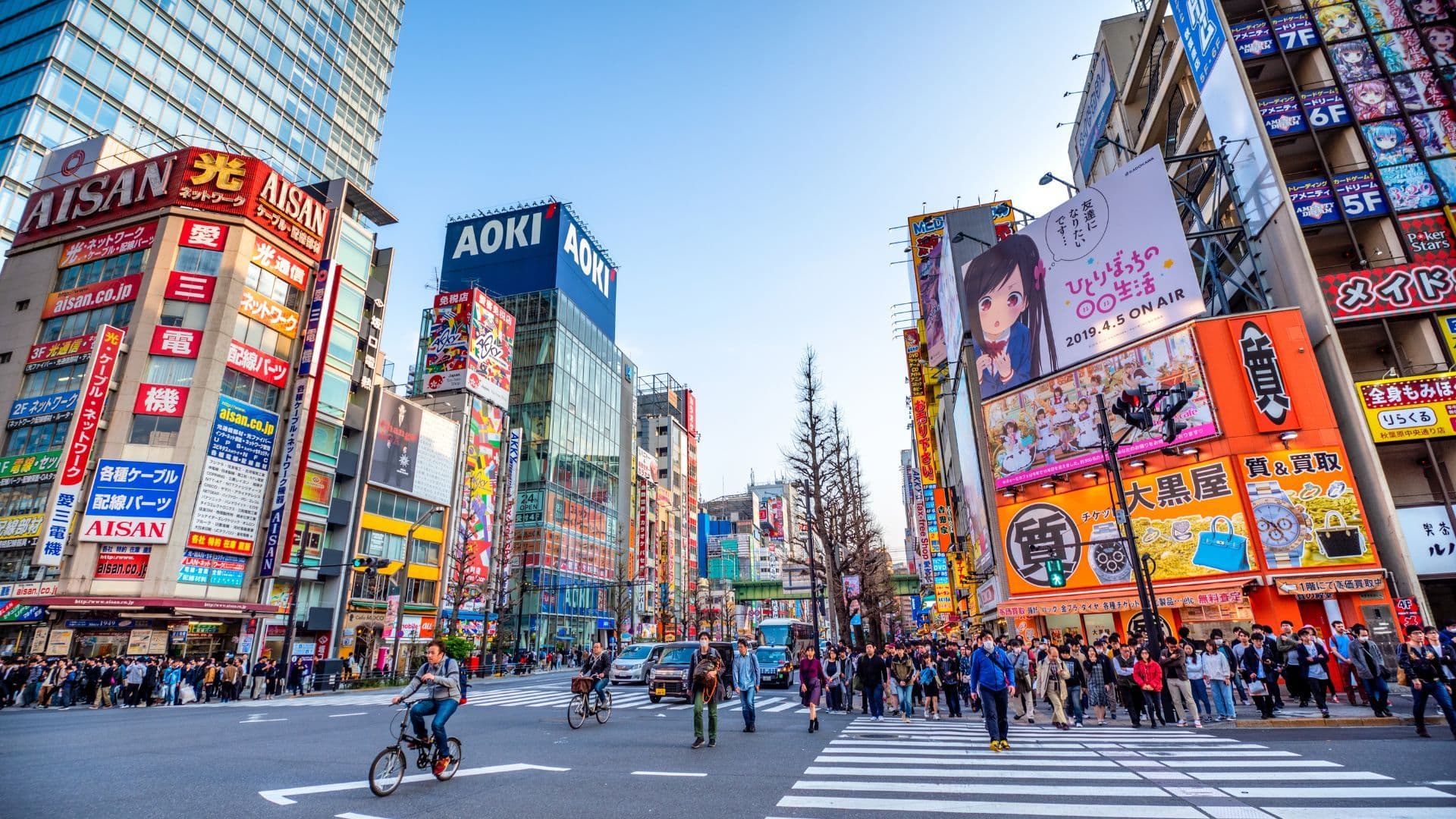
Don't stress about learning every rule before you arrive. Be respectful, stay curious, and take your time to explore. Whether you're watching the sunrise over Mount Fuji, enjoying Japan street food, or simply getting lost in the neon-lit streets of Tokyo, Japan has a way of turning ordinary moments into unforgettable memories.
Enjoyed this story?
Explore more destination guides, planning tips, and editorial travel stories from the Wishtrail team.