Wishtrailz Team
Expert travel writers and destination specialists at Wishtrailz.
There are some places that look so unreal that you begin to wonder if they actually exist. The Valley of Flowers in Uttarakhand is one such place.

Tucked away in the Garhwal Himalayas, this breathtaking valley comes alive for just a few months every year. As the snow melts and the monsoon arrives, the entire landscape transforms into a vibrant canvas of wildflowers, misty mountains, gushing streams, and endless greenery.
It's no surprise that the Valley of Flowers finds a place on almost every trekker's bucket list.
What Makes the Valley of Flowers So Special?
Located in the Chamoli district of Uttarakhand, the Valley of Flowers National Park spreads across approximately 87.5 square kilometres and forms a part of the larger Nanda Devi Biosphere Reserve. The park was declared a UNESCO World Heritage Site in 2005 for its exceptional biodiversity and stunning alpine landscapes.
The valley is home to more than 600 species of flowering plants, including Himalayan blue poppies, primulas, marigolds, orchids, and anemones. Depending on when you visit, you'll witness different flowers in bloom, which means no two visits are exactly the same.

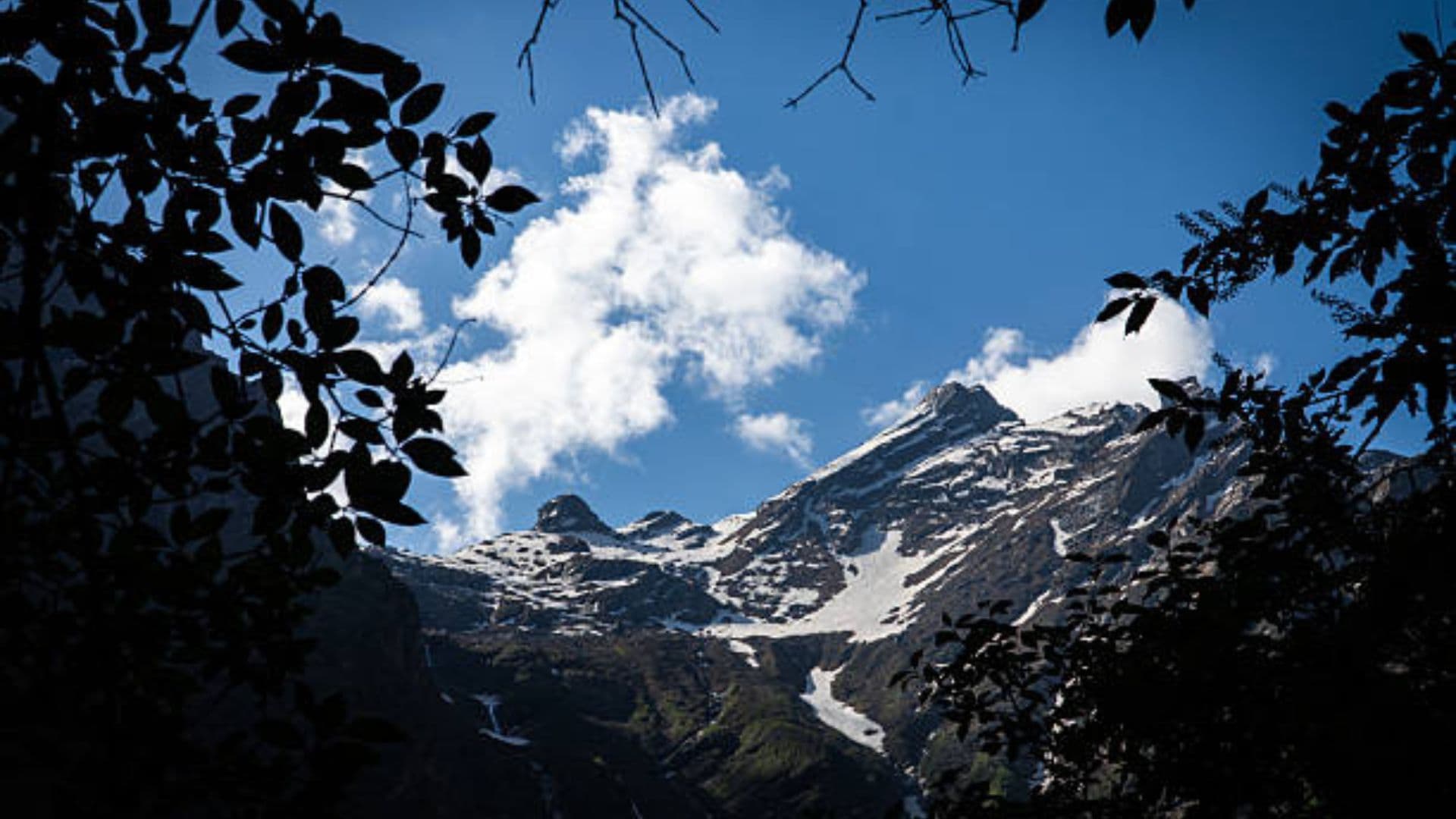
Surrounded by towering Himalayan peaks, waterfalls, and glaciers, the valley feels almost magical.
A Valley Filled with Stories and History
The Valley of Flowers isn't just famous for its breathtaking landscapes—it's also a place wrapped in fascinating stories. For generations, the local people have considered this valley sacred. According to a popular belief linked to the Ramayana, Lord Hanuman is said to have passed through these Himalayan mountains while searching for the life-saving Sanjeevani herb for Lakshman. While there's no historical evidence to confirm this, the legend has become an important part of the valley's charm and cultural heritage.
The valley remained largely untouched by the outside world until 1931, when British mountaineer Frank S. Smythe and his team stumbled upon it while returning from a successful expedition to Mount Kamet. Mesmerized by the endless carpet of blooming wildflowers, Smythe described it as one of the most beautiful places he had ever seen. He later wrote a book titled The Valley of Flowers, introducing this hidden Himalayan paradise to the world and inspiring generations of travellers to experience its beauty for themselves.

Best Time to Visit Valley of Flowers
The national park officially remains open from June to October, but the experience changes throughout the season.
- June: By this time, the snow has started melting, revealing lush green meadows that slowly come back to life after months of being covered in ice.
- Mid-July to August: This is when the Valley of Flowers is at its absolute best. Hundreds of species of wildflowers bloom together, covering the valley in vibrant shades of pink, yellow, blue, purple, and white..
- September: As the monsoon begins to fade, the valley becomes quieter and more peaceful. While the number of blooming flowers gradually decreases, many late-season species are still in bloom.

For most travellers, mid-July to mid-August is considered the best time to visit.
How to Reach the Valley of Flowers
Reaching the Valley of Flowers Uttarakhand is an adventure that involves a combination of road travel and trekking. Because of its remote location in the Himalayas, planning your route is key to a successful trip.
- Step 1: Arrive at Govind Ghat: Most travellers spend a full day reaching Govind Ghat, which serves as the primary gateway for the trek. Many visitors choose the route from Joshimath to Valley of Flowers via Govind Ghat, as it is the last major town before the trail begins.
- Step 2: Trek from Govind Ghat to Ghangaria: The actual Valley of Flowers trek distance starts with a 13-kilometer uphill climb from Govind Ghat to the base village of Ghangaria. While this is the most challenging portion of the journey, the trail is well-defined and maintained, making it manageable for families and beginners.
- Step 3: Ghangaria to the Valley of Flowers National Park: Ghangaria is the essential base village where you will find hotels and guesthouses. Before entering the park, you must visit the forest check post near Ghangaria to purchase your entry permit. From here, it is a shorter stretch to reach the heart of the valley.

Important Travel Note: Since camping is strictly prohibited inside the National Park to protect the ecosystem, all trekkers must return to their accommodation in Ghangaria before the park closes for the day.
Is the Trek Difficult?
The Valley of Flowers trek is generally rated as easy to moderate, making it suitable for beginners with decent fitness levels. However, since you'll be trekking at high altitude, preparing with regular walks or light cardio beforehand can make the journey much more enjoyable.
Explore More Himalayan Adventures
If the mountains are calling, we have more curated journeys waiting for you. Explore our Himachal Pradesh holidays including our popular Himachal tour package via Manali & Shimla. Or discover the snowscapes of Manali on our 3N Manali Weekend Volvo departure. For a Kashmir experience, check out our Kashmir Valley Escape — Gulmarg, Pahalgam & Srinagar. And if you love the northeast Himalayas, our Gangtok & Darjeeling package is perfect for you.
FAQ Section
What is the best time to visit the Valley of Flowers?
The Valley of Flowers National Park remains open from June to October, but the best time to visit is between mid-July and mid-August. This is when the valley is at its most vibrant, with hundreds of species of wildflowers in full bloom. If you prefer fewer crowds and clearer mountain views, September is also an excellent time to visit.
Is the Valley of Flowers trek suitable for beginners?
Yes, the Valley of Flowers trek is considered one of the best Himalayan treks for beginners. The trail is classified as easy to moderate and does not require prior trekking experience. However, since the trek involves walking long distances at high altitude, basic fitness is recommended. Regular walking, light jogging, or stair climbing before the trip can make the trek much easier and more enjoyable.
How many days are required for a Valley of Flowers trip?
A typical Valley of Flowers trip takes 4 to 6 days, depending on your starting location and itinerary. Most travellers spend one day reaching Govind Ghat, another day trekking to Ghangaria, one day exploring the Valley of Flowers, and an additional day visiting Hemkund Sahib before returning.
How difficult is the Valley of Flowers trek?
The Valley of Flowers trek is generally rated as easy to moderate. The most challenging part is the 13-kilometer uphill trek from Govind Ghat to Ghangaria. The trail is well-defined and maintained, making it manageable for most people, including families and first-time trekkers. Still, trekkers should be prepared for changing weather conditions and high-altitude terrain.
Can children and senior citizens do the Valley of Flowers trek?
Yes, many children and senior citizens successfully complete the Valley of Flowers trek every year. However, participants should be physically fit and consult a doctor before traveling if they have any existing health conditions. Taking adequate rest, staying hydrated, and maintaining a comfortable pace are essential for a safe trekking experience.
Is accommodation available near Valley of Flowers?
Yes, accommodation is available in Ghangaria, the base village for both Valley of Flowers and Hemkund Sahib. Travelers can choose from hotels, guesthouses and homestays. Since the trek season attracts a large number of visitors, it is advisable to book accommodation in advance, especially during July and August.
Can I camp inside the Valley of Flowers National Park?
No, camping and overnight stays inside the Valley of Flowers National Park are strictly prohibited in order to protect its fragile ecosystem and biodiversity. All visitors must return to Ghangaria before the park closes for the day.
Is a permit required to visit Valley of Flowers?
Yes, all visitors must purchase an entry permit to enter the Valley of Flowers National Park. Tickets can be purchased at the forest check post near Ghangaria. The entry fee may vary for Indian and foreign nationals, so it is advisable to check the latest rates before planning your trip.
Is mobile network available during the Valley of Flowers trek?
Mobile connectivity during the trek is limited. BSNL generally offers the most reliable network in Ghangaria, although signals can still be weak or intermittent. Internet connectivity is also limited, so travellers should be prepared for a partial digital detox.
What are the essential things to pack for the Valley of Flowers trek?
Some of the most important items to carry include waterproof trekking shoes, warm clothing, a raincoat or poncho, personal medications, sunscreen, sunglasses, a reusable water bottle, energy snacks, and a small backpack. Since weather conditions in the Himalayas can change quickly, carrying rain protection is highly recommended.
The Valley of Flowers isn't just a trek—it's an experience. It's the kind of place where you forget to look at your phone because every turn on the trail offers a view worth remembering. Whether you're a nature lover, photographer, or someone simply looking to spend a few days in the mountains, this Himalayan wonder promises memories that will stay with you long after you've returned home.
Enjoyed this story?
Explore more destination guides, planning tips, and editorial travel stories from the Wishtrail team.