Team Wishtrailz
Expert travel writers and destination specialists at WishTrail.
A few years ago, an “aspirational holiday” usually meant flying abroad. Dubai shopping trips, Bali sunsets, Switzerland photos — that was the benchmark.
In 2026, that mindset is changing faster than most people expected.
Part of the shift is practical. International travel has become noticeably more expensive, visa processes are slower, and ongoing geopolitical tensions across parts of Europe and West Asia have made global travel feel less predictable than before. Flight routes have become longer in some sectors, airfares remain volatile, and many travellers now prefer destinations that feel easier and more dependable to plan.
At the same time, something else has happened: Indians have started looking at their own country differently.
OR
More travellers are choosing destinations like Kerala, Kashmir, Rajasthan, Goa, and Himachal Pradesh because they offer the kind of experiences people once associated mainly with international travel. Travelling within India suddenly makes more sense financially, emotionally, and practically.
Social media has exposed travellers to places most people barely knew existed, while better connectivity and customised domestic holiday packages have made planning far easier than before.
The result is a major shift in Indian travel behaviour.
Domestic travel is no longer the backup plan. For many travellers in 2026, it has become the first choice.
Why Domestic Travel Is Growing Rapidly in India
India’s domestic tourism industry is not growing because people have lost interest in international travel. The shift is happening because the way Indians think about holidays has fundamentally changed after the pandemic years.
Travellers today value convenience, flexibility, shorter planning cycles, and meaningful experiences far more than status-driven travel. At the same time, rising international costs, visa uncertainties, geopolitical tensions, and demanding work schedules have made frequent foreign trips less practical for many people.
Domestic travel fits modern lifestyles better.
A traveller can now take multiple shorter trips across India in the same budget and time that one international holiday would require. Better flight connectivity, social media discovery, premium stays, work-from-anywhere culture, and the rise of experiential travel have further accelerated this shift.
What was once considered an “alternative” to international travel is now becoming the preferred way many Indians choose to travel.
Several factors are driving this shift simultaneously:
- Rising international travel costs
- Geopolitical uncertainty affecting global travel
- Limited leave calendars
- Growth of experiential travel
- Viral social media destinations
- Better domestic flight connectivity
- Increasing interest in slow travel and staycations
- More premium travel experiences within India
For many travellers, India now offers the right balance between convenience, affordability, flexibility, and memorable experiences.
1. International Travel Feels More Expensive and Uncertain
International holidays simply don’t feel as effortless as they once did.
Between fluctuating airfares, visa delays, forex costs, insurance expenses, and geopolitical disruptions affecting global air routes, travelling abroad has become significantly more stressful for Indian families and couples.
A Dubai or Europe trip that previously fit within a moderate budget now often costs far more before the actual holiday even begins.
Domestic travel removes many of those friction points.
Why domestic trips feel easier:
- No visa applications
- No embassy appointments
- Lower flight costs
- Easier planning
- Shorter travel time
- Familiar payment systems
- Less uncertainty around regulations
That convenience matters more than ever for modern travellers balancing work schedules and limited time off.
2. Social Media Changed How Indians See India
One of the biggest drivers behind India’s domestic travel boom is social media.
Instagram Reels, YouTube vlogs, and travel creators have completely changed how Indians discover destinations.
Places that once received little mainstream attention are now trending nationwide.
Destinations gaining massive attention in 2026:
- Ziro Valley
- Gokarna
- Chopta
- Hampi
- Spiti Valley
- Meghalaya
- Rann of Kutch
- Coorg
People are realising India offers:
- alpine landscapes
- tropical islands
- deserts
- rainforests
- heritage towns
- wellness retreats
- luxury stays
—all within one country.
That shift in perception has directly influenced booking behaviour.
Best Domestic Destinations Trending in 2026
| Destination | Best For | Why It’s Trending |
|---|---|---|
| Kerala | Wellness & nature | Backwaters, Ayurveda, slow travel |
| Rajasthan | Heritage & luxury | Palace stays, desert experiences |
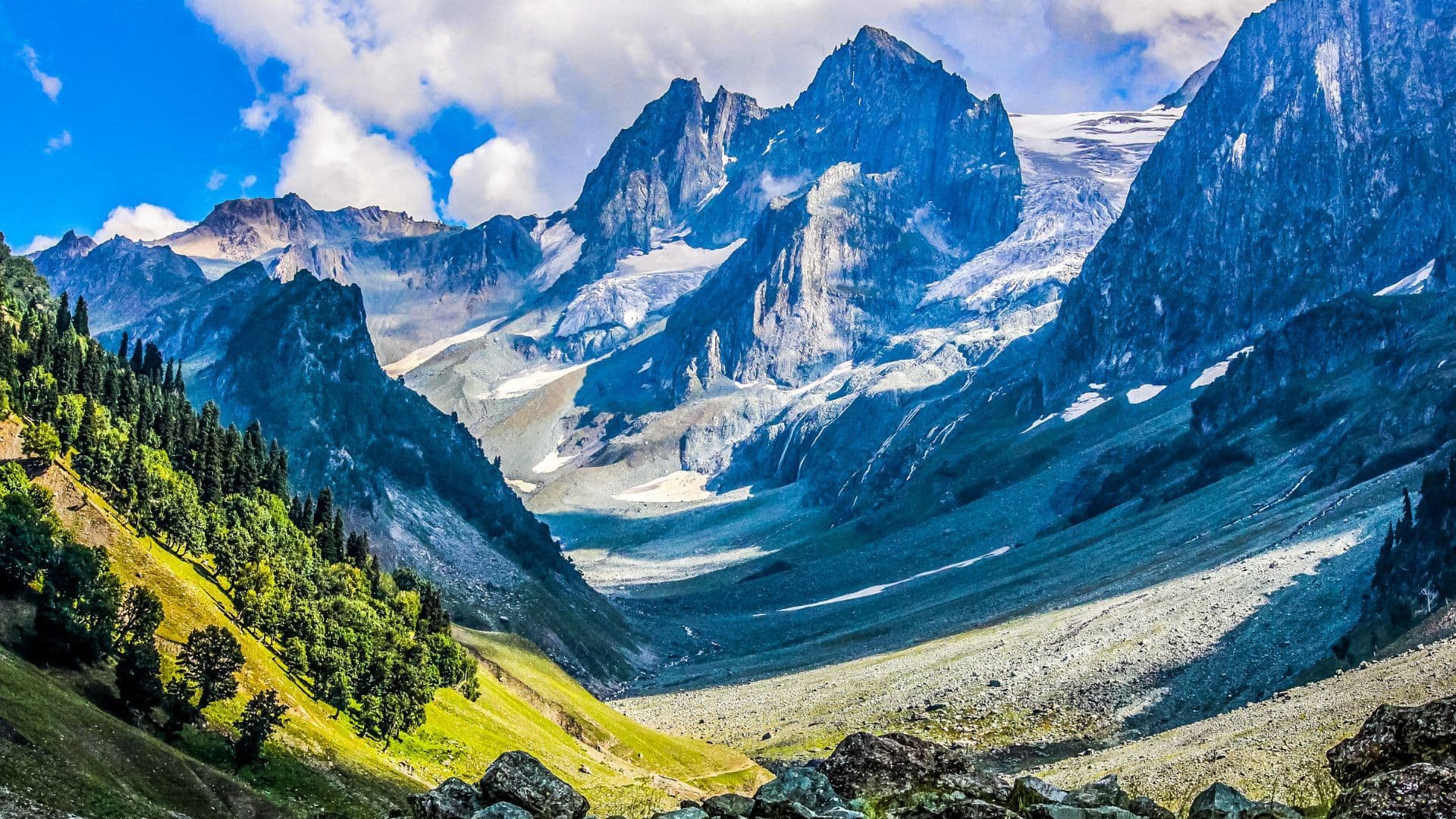
| Kashmir | Scenic escapes | Direct flights and improving connectivity |
| Himachal Pradesh | Adventure & mountains | Road trips, cafés, workations, scenic stays |
| Andaman | Beach holidays | Clear waters and island experiences without a passport |
| Goa | Weekend getaways | Easy short breaks and work-friendly stays |
| Meghalaya | Nature & offbeat travel | Waterfalls, living root bridges, cooler weather |
| Uttarakhand | Wellness & retreats | Rishikesh, yoga retreats, mountain escapes |
| Gujarat | Culture & wildlife | Rann of Kutch, Gir National Park, cultural tourism |
3. Weekend Getaways and Extended Weekends Are Driving Domestic Tourism
One major reality defines modern Indian travel:
Most people don’t get enough leave.
Working professionals today are constantly balancing office deadlines, meetings, school schedules, and limited vacation windows. Instead of long international holidays, travellers are increasingly planning weekend getaways and extended weekend trips by combining public holidays with one or two leave days.
That small shift has changed travel behaviour significantly.
International trips usually require longer planning and at least 8–10 days to feel worthwhile.
Domestic trips fit modern lifestyles far better.
You can leave Friday evening, spend three nights in Kerala or Goa, and return Monday refreshed without exhausting your leave balance.
Popular short domestic trip formats in 2026:
- 3 nights in Goa for beach cafés and nightlife
- 4 days in Himachal Pradesh for mountain stays and cafés
- 4-night Kerala itinerary covering Munnar and Alleppey
- 5-day Rajasthan circuit including Jaipur and Udaipur
- 3-night Coorg or Chikmagalur escape from metro cities
- 5-day Kashmir trip covering Srinagar and Gulmarg
- Long weekend trips to Rishikesh, Pondicherry, or Gokarna
This flexibility is one reason customised domestic holiday packages are growing rapidly.
4. Domestic Travel Offers Better Value for Money
Domestic travel is not just cheaper.
In many cases, it delivers a better overall experience per rupee spent.
The same budget that covers a basic international holiday can unlock premium experiences inside India.
Examples of high-value domestic experiences:
- Luxury haveli stays in Rajasthan
- Private jungle lodges in Madhya Pradesh
- Wellness retreats in Kerala
- Boutique Himalayan homestays
- Premium backwater cruises
- Curated experiential group tours
Domestic vs International Travel Comparison
| Factor | Domestic Travel | International Travel |
|---|---|---|
| Visa Required | No | Usually yes |
| Planning Complexity | Lower | Higher |
| Average Leave Needed | 3–6 days | 8–14 days |
| Currency Exchange | Not required | Required |
| Last-Minute Flexibility | Easier | Harder |
| Luxury-to-Cost Ratio | High | Moderate |
| Travel Stress | Lower | Higher |
For travellers prioritising comfort, frequency, and convenience, domestic holidays often provide stronger overall value.
5. A New Generation Wants to Explore India
There’s also a cultural shift happening.
Younger Indian travellers no longer see domestic travel as a “lesser” alternative to going abroad.
Exploring Meghalaya, Ladakh, Arunachal Pradesh, or Kerala now carries the same aspirational appeal international travel once dominated.
Part of that comes from social media visibility.
Part comes from changing travel priorities.
People increasingly want:
- meaningful experiences
- cultural immersion
- slower itineraries
- authentic stays
- local food
- nature-driven travel
Post-pandemic travel habits have also accelerated the rise of staycations and workations. Many professionals now actively look for destinations with good WiFi connectivity, peaceful surroundings, and slower routines where they can work remotely during the day and explore nearby cafés, mountains, beaches, or local markets afterward.
For people living in crowded metro cities, this kind of travel offers something beyond sightseeing — it creates breathing space from constant traffic, screens, and routine burnout.
India naturally supports all of that.
Few countries offer this level of geographic and cultural diversity within domestic borders.
6. The Rise of Slow Travel in India
Post-pandemic travel behaviour looks very different from the rushed “10 cities in 7 days” style that once dominated tourism.
Travellers are slowing down.
Instead of ticking destinations off a checklist, people want:
- peaceful stays
- wellness-focused trips
- flexible itineraries
- immersive experiences
- deeper local connections
India is particularly well-suited for slow travel.
Popular slow travel experiences in India:
- Tea estate stays in Munnar
- Yoga retreats in Rishikesh
- Village stays in Rajasthan
- Backwater cruises in Kerala
- Mountain workations in Himachal Pradesh
- Wellness resorts in Coorg
This style of travel appeals strongly to professionals dealing with burnout and constant digital overload.
FAQ Section
Why are Indians choosing domestic travel in 2026?
Rising international travel costs, visa hassles, geopolitical uncertainty, limited leave, and better domestic travel experiences are driving more Indians to explore destinations within India.
Is domestic travel cheaper than international travel?
In most cases, yes. Domestic travel eliminates visa fees, forex costs, expensive long-haul flights, and many hidden travel expenses.
Which domestic destinations are trending in India right now?
Kerala, Rajasthan, Kashmir, Himachal Pradesh, Meghalaya, Goa, Coorg, and Andaman are among the fastest-growing travel destinations in 2026.
Are short domestic trips worth it?
Yes. Well-planned 3–5 day domestic trips can feel highly refreshing without requiring long leave periods or complex planning.
Why is slow travel becoming popular in India?
Travellers increasingly want meaningful, less rushed experiences focused on wellness, culture, nature, and relaxation rather than packed sightseeing schedules.
Are workations and staycations still popular in 2026?
Yes. Many professionals continue choosing destinations with strong internet connectivity and peaceful environments where they can combine remote work with short travel experiences.
Are customised domestic holiday packages better than self-planning?
For many travellers, yes. Customised packages save time, reduce coordination stress, and help optimise itineraries based on budget, leave duration, and travel preferences.
Conclusion
More Indians are realising they do not need to leave the country to feel surprised, rested, or inspired by travel.
Domestic travel in India is no longer viewed as a compromise.
For many travellers in 2026, it offers something international travel often struggles to deliver now — flexibility, value, depth, and ease.
India gives travellers the chance to experience luxury, culture, nature, wellness, and adventure without the friction of complicated international planning. And as more people discover destinations beyond the obvious tourist circuits, domestic travel is becoming richer and more exciting than ever.
The shift is already happening.
The only real question now is: which part of India do you want to explore next?
Planning a Domestic Trip in India?
WishTrailz creates customised India holiday experiences across Kerala, Rajasthan, Himachal Pradesh, Kashmir, Goa, Andaman, and other emerging destinations — with itineraries designed around your pace, budget, and travel style.
Enjoyed this story?
Explore more destination guides, planning tips, and editorial travel stories from the Wishtrail team.